Cascada de Pedrosa de Tobalina: The Complete Travel Guide to Spain’s Hidden Waterfall (2026)
Cascada de Pedrosa de Tobalina: Spain’s Hidden Waterfall You Need to Visit
Spain is famous for world-renowned destinations such as Barcelona, Madrid, Seville, and the Costa del Sol. Every year, millions of visitors travel to these iconic places to experience Spain’s rich culture, architecture, and beaches. However, beyond the popular tourist attractions lies another side of Spain that many travelers never discover—a landscape filled with hidden waterfalls, emerald rivers, peaceful forests, and charming villages waiting to be explored.
One of the country’s most beautiful natural treasures is Cascada de Pedrosa de Tobalina, a spectacular waterfall located in the province of Burgos in northern Spain. Unlike many well-known tourist attractions, this waterfall offers visitors the opportunity to experience nature in a peaceful setting surrounded by lush greenery and crystal-clear water.
Whether you’re planning a northern Spain road trip, searching for unique photography locations, or simply looking for a relaxing destination away from busy cities, Cascada de Pedrosa de Tobalina deserves a place on your travel itinerary.
The waterfall is especially impressive during spring and early summer, when seasonal rainfall creates a powerful cascade flowing over the wide limestone cliffs. During warmer months, the surrounding area becomes a popular place for visitors to enjoy nature, admire the scenery, and spend a quiet afternoon beside the river.
If you’re building a Spain travel bucket list filled with hidden gems, this destination should be near the top.
Where Is Cascada de Pedrosa de Tobalina?
Cascada de Pedrosa de Tobalina is located in the small village of Pedrosa de Tobalina, within the province of Burgos in the autonomous community of Castilla y León, northern Spain.
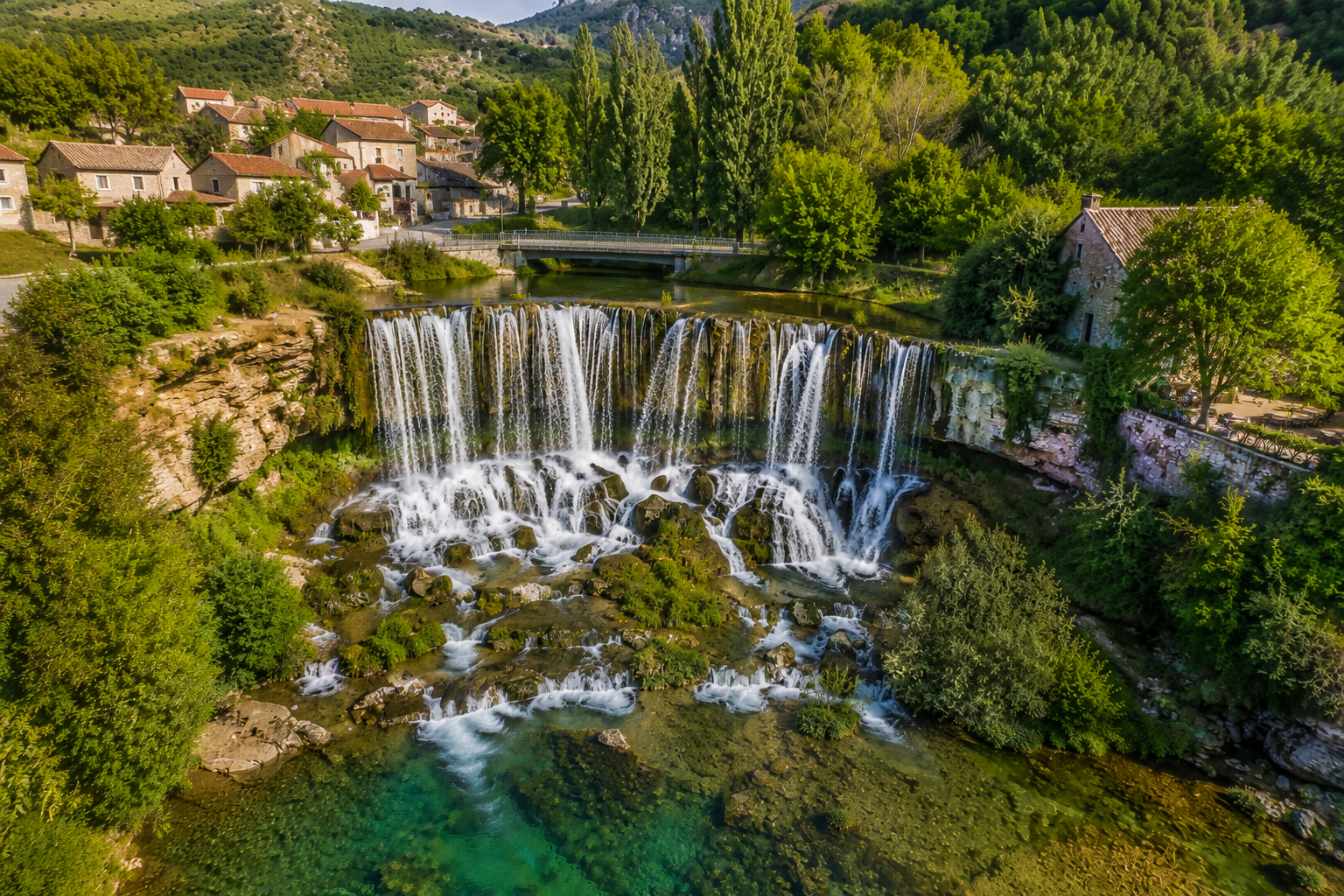
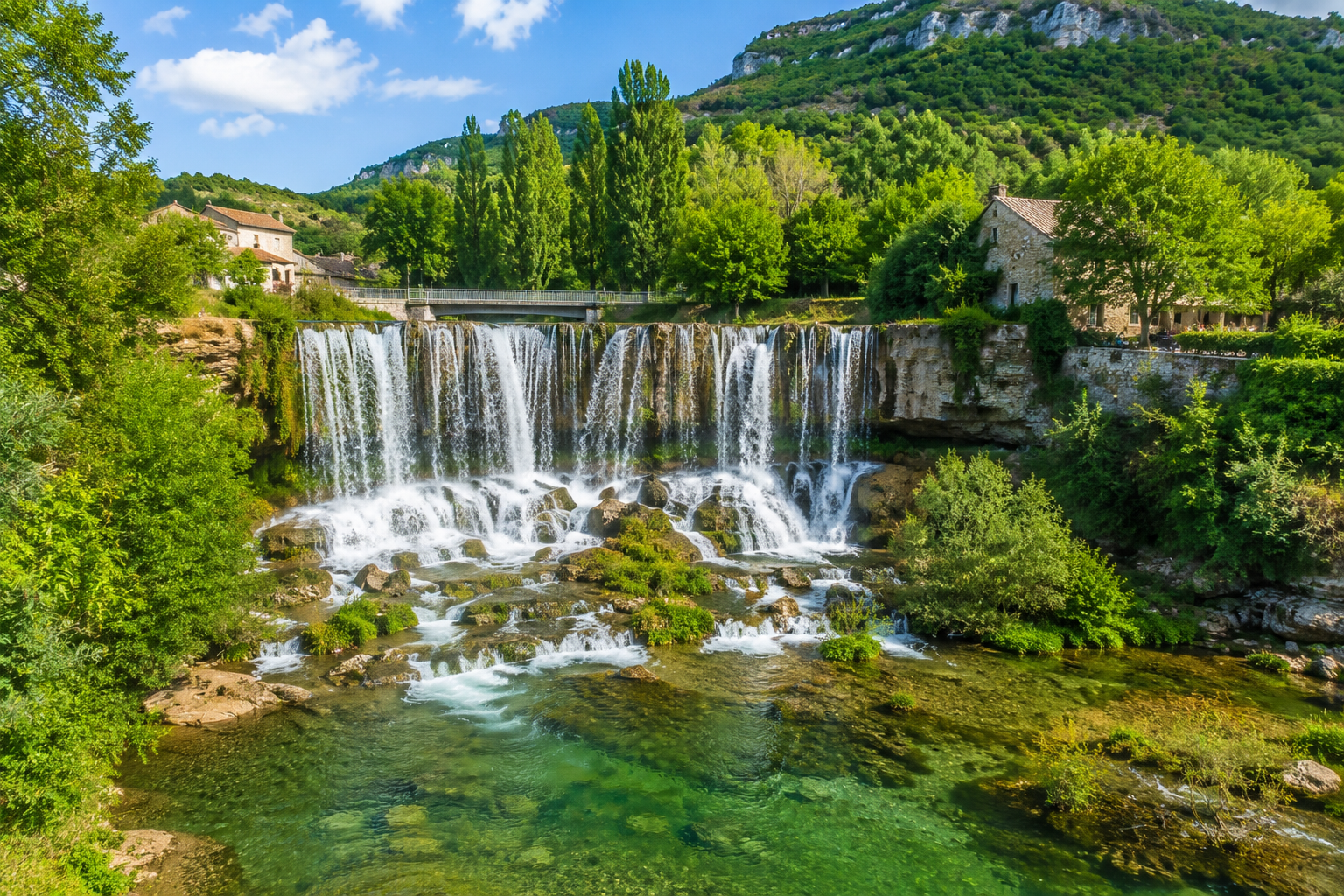
The waterfall is formed by the River Jerea, which gently flows through the village before dramatically dropping over a wide rocky ledge to create one of the region’s most photogenic waterfalls.
Unlike waterfalls hidden deep inside national parks that require long hikes, this destination is relatively accessible. Visitors can reach the waterfall after a short walk from the village, making it an excellent stop for families, couples, solo travelers, and road-trippers exploring northern Spain.
Its location also makes it easy to combine with other nearby attractions, allowing travelers to enjoy a full day discovering the natural beauty of Burgos Province.
Why Visit Cascada de Pedrosa de Tobalina?
Spain has countless beautiful beaches and historic cities, but its natural landscapes are equally spectacular.
Cascada de Pedrosa de Tobalina stands out because of its impressive width, peaceful surroundings, and authentic atmosphere. Instead of crowded viewing platforms and commercial attractions, visitors are greeted by the soothing sound of cascading water, vibrant green vegetation, and a charming rural setting.
The waterfall is an excellent destination for:
- Nature lovers seeking peaceful scenery.
- Landscape photographers looking for dramatic compositions.
- Drone pilots capturing cinematic aerial views (where permitted).
- Families enjoying a relaxing day outdoors.
- Couples searching for a romantic hidden gem.
- Travelers exploring northern Spain beyond the typical tourist routes.
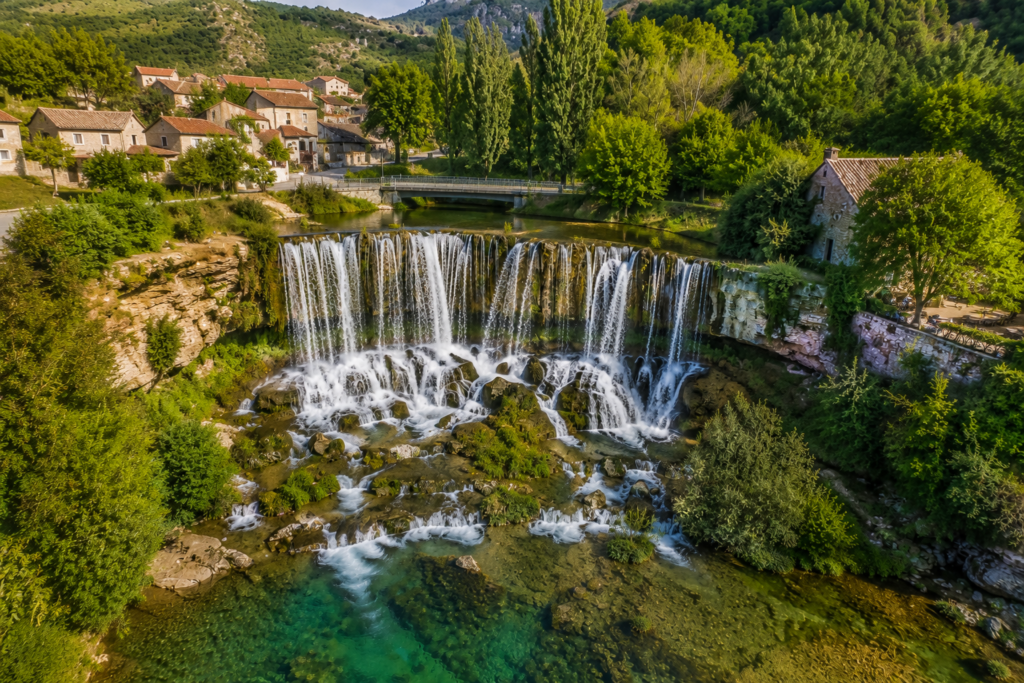
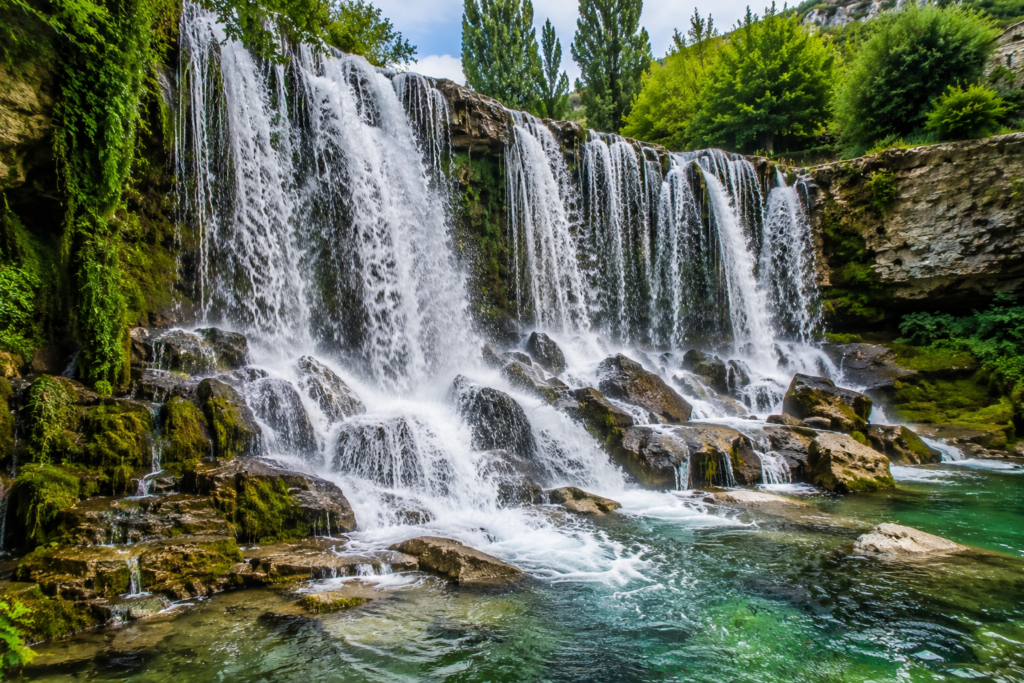
One of the most remarkable features of this waterfall is how the water spreads across the limestone cliffs, creating a curtain-like cascade before collecting in the river below. During periods of strong water flow, the waterfall becomes even more spectacular, attracting photographers from across Spain.
Visitors often describe the atmosphere as calm and refreshing, making it a perfect escape from the fast pace of city life.
Best Time to Visit
Choosing the right season can make a big difference to your experience.
The best time to visit Cascada de Pedrosa de Tobalina is between May and September. During late spring, the waterfall is often at its most impressive thanks to seasonal rainfall, while the surrounding forests are vibrant and green.
Summer offers warm weather and long daylight hours, making it ideal for photography, sightseeing, and enjoying the peaceful riverside setting. Early mornings and weekday visits are generally the best times for those seeking a quieter experience and softer lighting for photos.
Autumn also has its own charm, with colorful foliage creating beautiful scenery around the waterfall. Water flow, however, depends on seasonal rainfall, so conditions may vary throughout the year.
How to Get There
The easiest way to reach Cascada de Pedrosa de Tobalina is by car, making it an ideal stop during a northern Spain road trip.
Approximate driving times:
- Burgos: 1 hour 30 minutes
- Bilbao: 1 hour 20 minutes
- Vitoria-Gasteiz: 1 hour
Parking is available near the village, followed by a short walk to the waterfall.
Public transportation options are limited, so renting a car provides the greatest flexibility, especially if you plan to explore other hidden gems throughout Burgos Province.
Before your visit, it’s worth checking local weather conditions, as recent rainfall can affect both the waterfall’s flow and walking conditions around the site.
Complete Travel Guide to Cascada de Pedrosa de Tobalina
What to Expect During Your Visit
One of the reasons Cascada de Pedrosa de Tobalina stands out among Spain’s hidden gems is its accessibility. Unlike many waterfalls that require hours of hiking, this natural attraction can be reached after a short walk from the nearby village, making it suitable for visitors of all ages.
As you approach the waterfall, the sound of rushing water grows louder before the impressive curtain of water comes into view. The River Jerea flows gently across the top of the limestone ledge before dropping into a clear pool below, creating a wide cascade that is particularly spectacular after periods of rainfall.
Surrounded by mature trees, moss-covered rocks, and peaceful countryside, the waterfall offers a relaxing atmosphere that encourages visitors to slow down and enjoy nature.
Depending on the season, you may also see local families enjoying picnics nearby or photographers capturing the changing light across the falls.
Can You Swim at Cascada de Pedrosa de Tobalina?
One of the most common questions travelers ask is whether swimming is allowed.
During warm summer months, some visitors enjoy entering the water when local conditions make it safe. However, there are no guarantees that swimming is always suitable.
Water depth, river flow, and seasonal weather conditions can change throughout the year. Heavy rainfall may increase the current, while colder months can make the water extremely chilly.
Before entering the water, visitors should:
- Observe local safety notices.
- Avoid swimming after heavy rainfall.
- Never dive into unfamiliar water.
- Wear suitable footwear for slippery rocks.
- Supervise children at all times.
Even if you decide not to swim, sitting beside the waterfall and enjoying the peaceful surroundings makes the visit worthwhile.
Photography Tips
If you’re visiting with a camera, you’ll find countless opportunities to capture stunning images.
Best Time for Photography
Early morning provides soft light and fewer visitors.
Late afternoon and golden hour create warm tones that enhance the surrounding greenery.
Avoid midday if possible, as harsh sunlight can create strong shadows.
Best Camera Settings
Landscape Photography
- ISO 100
- Aperture f/8–f/11
- Tripod recommended
- Polarizing filter for richer colors
Long Exposure Photography
A tripod and ND filter allow photographers to create the silky-water effect that many landscape photographers love.
Drone Photography
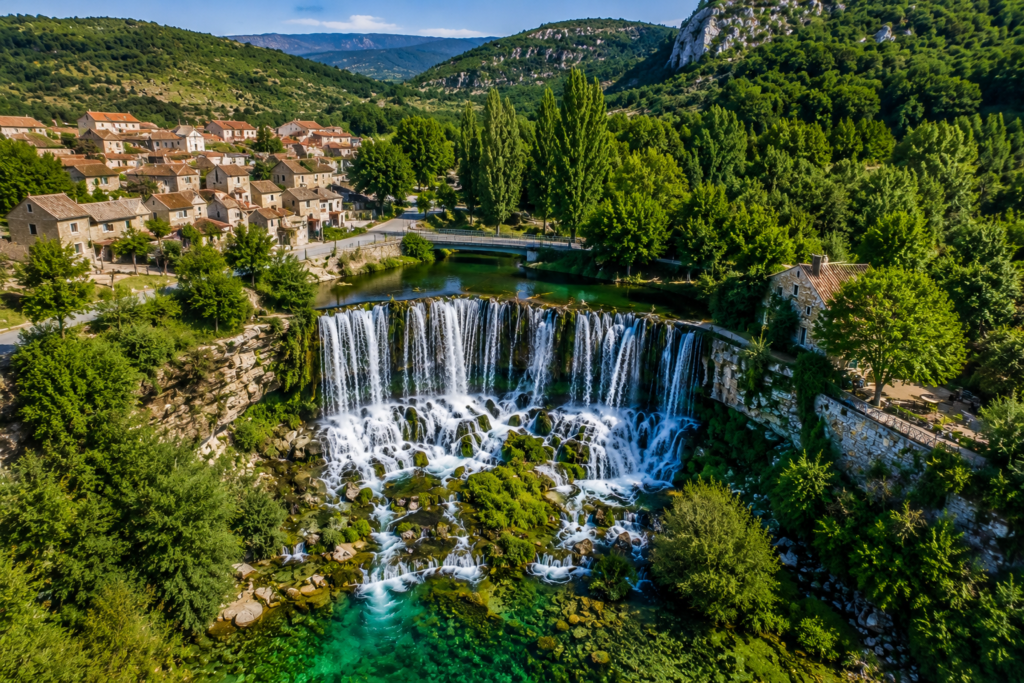
Drone footage can produce incredible aerial perspectives showing the waterfall, river, surrounding forest, and village together.
Always:
- Follow Spanish drone regulations.
- Respect local privacy.
- Avoid flying near people.
- Check whether any local restrictions apply before flying.
Nearby Attractions
If you’re already visiting Burgos Province, it’s worth exploring more than just the waterfall.
1. Ojo Guareña Natural Monument
One of Spain’s largest cave systems featuring underground rivers and impressive geological formations.
2. Frías
Often described as one of Spain’s smallest medieval cities, Frías is famous for its dramatic hilltop castle, stone houses, and historic streets.
3. Orbaneja del Castillo
Another spectacular hidden gem where waterfalls flow directly through the village before joining the Ebro River.
4. Monte Santiago Natural Monument
A beautiful protected area known for forests, hiking trails, and spectacular viewpoints overlooking northern Spain.
5. Ebro River Valley
Perfect for scenic drives, photography, birdwatching, and discovering peaceful rural villages.
Combining these attractions allows travelers to create an unforgettable weekend exploring northern Spain’s lesser-known destinations.
Where to Stay
Although many visitors make this a day trip, spending a night nearby allows more time to explore the region.
Accommodation options include:
Rural Guesthouses
Perfect for travelers seeking authentic Spanish countryside experiences.
Boutique Hotels
Small locally owned hotels provide comfortable rooms with easy access to nearby attractions.
Country Apartments
Ideal for families or groups wanting additional space.
Booking accommodation during spring and summer is recommended as weekends can become busy.
Best Places to Eat
Northern Spain is famous for traditional cuisine.
While visiting Pedrosa de Tobalina, look for local restaurants serving:
- Grilled lamb
- Burgos black pudding (Morcilla de Burgos)
- Local cheeses
- Fresh river trout
- Homemade desserts
- Regional wines from nearby areas
Supporting local restaurants also helps sustain the small communities that make northern Spain so special.
Suggested Half-Day Itinerary
09:00 AM
Arrive in Pedrosa de Tobalina.
09:30 AM
Walk to the waterfall.
10:00 AM
Photography and sightseeing.
11:00 AM
Relax beside the river.
12:00 PM
Explore the village.
01:00 PM
Enjoy lunch at a local restaurant.
02:30 PM
Continue exploring nearby attractions like Frías or Orbaneja del Castillo.
Practical Travel Tips
- Wear comfortable walking shoes.
- Carry drinking water.
- Visit on weekdays for a quieter experience.
- Bring a rain jacket during spring.
- Keep the area clean.
- Respect local wildlife.
- Check weather forecasts before travelling.
- Carry a fully charged phone or camera.
- Download offline maps if driving through rural areas.
The peaceful atmosphere is one of this destination’s greatest attractions, so helping preserve it ensures future visitors can enjoy the same natural beauty.
Frequently Asked Questions, Expert Travel Tips & Final Thoughts
Frequently Asked Questions
1. Where is Cascada de Pedrosa de Tobalina?
Cascada de Pedrosa de Tobalina is located in the village of Pedrosa de Tobalina in Burgos Province, Castilla y León, northern Spain.
2. Is Cascada de Pedrosa de Tobalina free to visit?
Yes. There is generally no entrance fee, making it one of the best free natural attractions in northern Spain.
3. What is the best time to visit?
The best months are May through September, when the weather is pleasant and the surrounding landscape is lush and green. Water flow varies depending on rainfall.
4. Can you swim at the waterfall?
Some visitors enter the water during suitable conditions, but water levels, currents, and temperatures can change. Always assess local conditions and follow any posted safety guidance before entering the water.
5. How long should I spend here?
Most visitors spend 1–3 hours, though photographers and nature lovers may stay longer to explore the area.
6. Is the waterfall suitable for children?
Yes. The short walking distance makes it accessible for many families, but children should always be supervised near water and slippery rocks.
7. Is parking available?
Parking is generally available near the village, followed by a short walk to the waterfall.
8. Is the waterfall crowded?
Compared with many famous Spanish attractions, it is usually quieter, especially on weekday mornings.
9. Can I fly a drone?
Drone flights may be possible in some circumstances, but you should always check current Spanish drone regulations and any local restrictions before flying.
10. Is this waterfall worth visiting?
Absolutely. If you enjoy nature, photography, scenic drives, and discovering lesser-known destinations, Cascada de Pedrosa de Tobalina is one of northern Spain’s most rewarding stops.
Hidden Travel Tips
After visiting many famous destinations, experienced travelers often discover that smaller villages provide the most memorable experiences.
Here are a few tips to make your visit even better:
Visit Early
Arriving before 9:00 AM usually offers softer light for photography and a quieter atmosphere.
Visit After Moderate Rainfall
The waterfall often looks more dramatic after rainfall, though heavy rain can also make walking areas slippery. Check local conditions before visiting.
Bring a Picnic
The peaceful riverside setting makes this an enjoyable place to relax for a few hours.
Explore Beyond the Waterfall
Don’t leave immediately after taking photos. Walk through Pedrosa de Tobalina and appreciate its traditional stone houses, quiet streets, and countryside setting.
Combine Multiple Hidden Gems
A northern Spain road trip becomes even more rewarding when you combine this waterfall with nearby destinations such as Frías, Orbaneja del Castillo, and Monte Santiago.
Why This Hidden Gem Deserves a Place on Your Spain Itinerary
Spain offers far more than beaches and famous cities.
Cascada de Pedrosa de Tobalina demonstrates how rewarding it can be to venture beyond the country’s best-known attractions. The combination of flowing water, green landscapes, rural charm, and peaceful surroundings creates an experience that feels very different from Spain’s major tourist hotspots.
Whether you’re a landscape photographer, drone enthusiast, road-trip traveler, or someone simply looking for a relaxing day in nature, this waterfall offers something special.
Northern Spain remains one of Europe’s most underrated regions, and destinations like Cascada de Pedrosa de Tobalina highlight why it’s worth exploring.
Essential Visitor Checklist
Before you go, remember to bring:
- Comfortable walking shoes
- Camera or smartphone
- Reusable water bottle
- Sunscreen
- Sunglasses
- Light rain jacket
- Power bank
- Small first-aid kit
- Offline maps
- Respect for nature
Final Thoughts
Hidden among the rolling hills and peaceful villages of Burgos Province, Cascada de Pedrosa de Tobalina is a destination that rewards travelers who venture beyond Spain’s famous cities. Its beautiful curtain-like waterfall, tranquil atmosphere, and picturesque countryside make it an unforgettable stop on any northern Spain itinerary.
Whether you’re planning a weekend road trip or a longer journey across Spain, this hidden waterfall offers a refreshing change of pace and a chance to experience the country’s natural beauty.
Add it to your bucket list, travel responsibly, and take time to enjoy one of Spain’s most captivating hidden gems.
Continue Exploring Spain
If you enjoyed learning about Cascada de Pedrosa de Tobalina, you may also like:
- Best Hidden Gems in Spain
- Secret Waterfalls in Northern Spain
- Most Beautiful Villages in Burgos
- Spain Road Trip Itinerary
- Hidden Beaches in Spain
- Best Places to Visit in Castilla y León
Get the Complete Spain Hidden Gems Travel Guide
Love discovering places most travelers miss?
Our Spain Hidden Gems Travel Guide includes carefully selected waterfalls, hidden beaches, mountain villages, scenic viewpoints, road-trip routes, photography spots, and practical travel tips to help you explore a quieter side of Spain.
Whether you’re visiting for a week or planning an extended adventure, the guide is designed to help you experience authentic destinations beyond the typical tourist trail.
Start exploring Spain’s best-kept secrets and make your next journey unforgettable.