
Europe Travel Itinerary 2026: Complete Trip Plan for an Unforgettable Vacation
Europe Travel Itinerary 2026: Europe remains one of the world’s most popular travel destinations, offering a mix of history, culture, architecture, natural beauty, and unforgettable experiences. Whether you’re planning your first European vacation or returning to explore new destinations, having a well-planned itinerary can save time, reduce costs, and maximize your experience.
This complete Europe travel itinerary for 2026 covers the best destinations, transportation options, estimated costs, and practical travel tips to help you plan an incredible European adventure.
Why Visit Europe in 2026?

Europe offers something for every type of traveler.
Top Reasons to Visit Europe
- Historic landmarks and UNESCO World Heritage Sites
- Beautiful cities and charming villages
- World-famous museums and cultural attractions
- Stunning mountain landscapes and beaches
- Excellent public transportation
- Diverse cuisines and local experiences
Whether you’re interested in romantic getaways, luxury travel, adventure holidays, or family vacations, Europe has endless possibilities.
Best Time to Visit Europe
Spring (April – June)
- Pleasant weather
- Fewer crowds
- Beautiful flowers and outdoor activities
Summer (June – August)
- Peak travel season
- Festivals and events
- Longer daylight hours
Autumn (September – October)
- Comfortable temperatures
- Lower accommodation prices
- Less crowded attractions
Winter (November – March)
- Christmas markets
- Winter sports
- Budget-friendly travel opportunities
For most travelers, May, June, September, and October provide the best balance of weather and crowd levels.
10-Day Europe Travel Itinerary for 2026
This itinerary covers some of Europe’s most iconic destinations.
Day 1-3: Paris, France

Paris is often called the City of Light and remains one of Europe’s most visited destinations.
Top Attractions
- Eiffel Tower
- Louvre Museum
- Notre-Dame Cathedral
- Seine River Cruise
- Montmartre
Recommended Stay
3 days
Day 4-5: Amsterdam, Netherlands
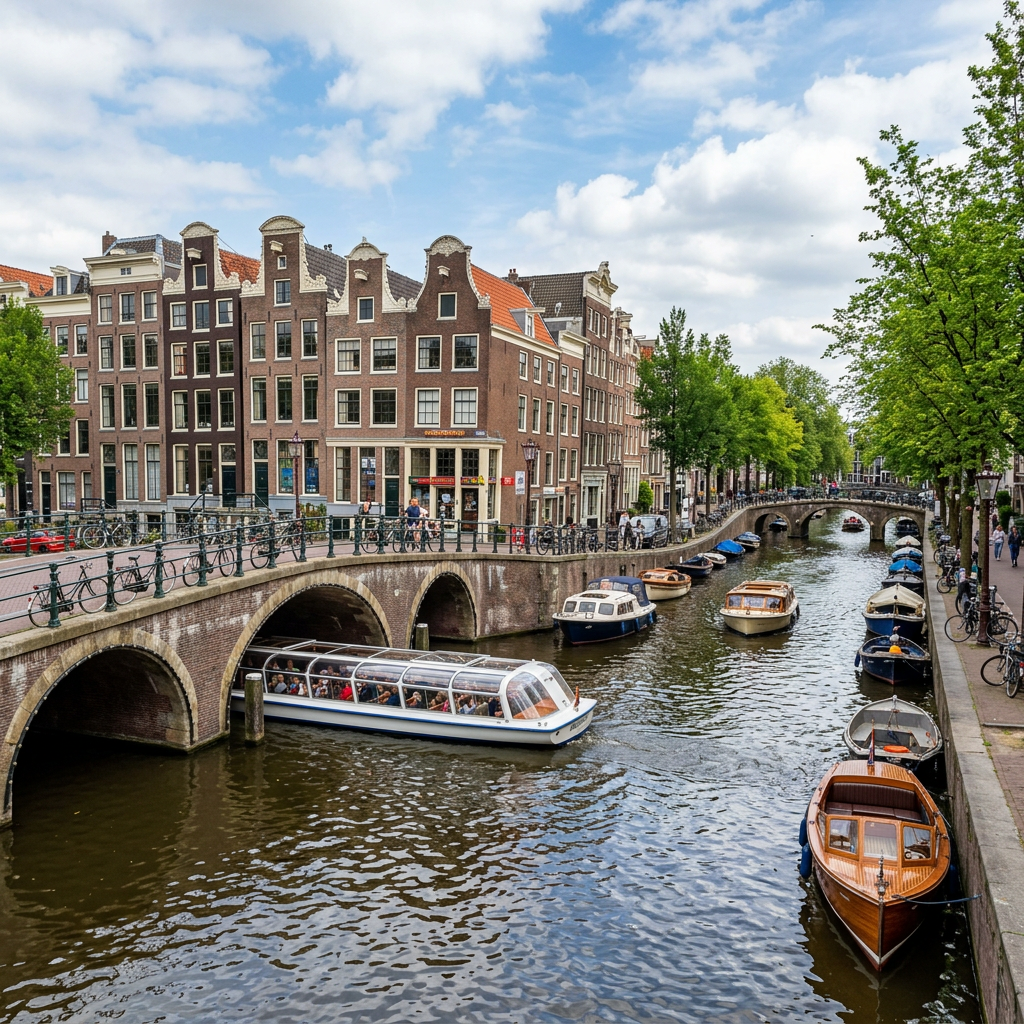
Amsterdam is known for canals, museums, and charming architecture.
Must-Visit Places
- Canal Cruise
- Anne Frank House
- Van Gogh Museum
- Dam Square
Recommended Stay
2 days
Day 6-7: Switzerland

Switzerland offers some of the most spectacular mountain scenery in Europe.
Popular Destinations
- Interlaken
- Jungfraujoch
- Lucerne
Activities
- Scenic train rides
- Mountain excursions
- Lake cruises
- Adventure sports
Recommended Stay
2 days
Day 8-10: Rome, Italy
Rome combines ancient history with modern Italian culture.
Top Attractions
- Colosseum
- Roman Forum
- Trevi Fountain
- Vatican City
Recommended Stay
3 days
Europe Trip Cost Estimate 2026
Your total budget depends on travel style.
Budget Traveler
Daily Cost
- Accommodation: $40–$80
- Food: $20–$40
- Transportation: $10–$30
- Attractions: $20–$50
Total (10 Days)
Approximately $1,200–$2,000
Mid-Range Traveler
Daily Cost
- Accommodation: $100–$200
- Food: $40–$80
- Transportation: $20–$50
- Attractions: $30–$70
Total (10 Days)
Approximately $2,500–$4,500
Luxury Traveler
Daily Cost
- Accommodation: $300+
- Food: $100+
- Transportation: $50+
- Attractions: Premium experiences
Total (10 Days)
$5,000+
Transportation in Europe
Europe has one of the world’s best transportation systems.
High-Speed Trains
- Fast and comfortable
- Connect major cities
- Great for sightseeing
Budget Airlines
- Affordable for longer distances
- Widely available across Europe
Public Transportation
- Metro systems
- Trams
- Buses
Booking transportation in advance can significantly reduce costs.
Essential Europe Travel Tips
Carry Travel Insurance
Unexpected situations can happen during international travel.
Book Major Attractions Early
Popular attractions often sell out during peak season.
Use Public Transportation
It’s usually faster and cheaper than taxis.
Pack Light
Many European cities have cobblestone streets and stairs.
Keep Copies of Important Documents
Store digital copies of passports and travel bookings.
What to Pack for Europe
Travel Essentials
- Passport
- Travel insurance documents
- Universal power adapter
- Comfortable walking shoes
- Weather-appropriate clothing
- Portable charger
Recommended Travel Gear
- Lightweight backpack
- Packing cubes
- Travel neck pillow
- Reusable water bottle
Frequently Asked Questions
How many days are enough for Europe?
A 10 to 14-day itinerary is ideal for visiting multiple countries comfortably.
Is Europe expensive to visit?
Europe can fit various budgets depending on destination, accommodation choices, and travel style.
Which countries are best for first-time visitors?
France, Italy, Switzerland, and the Netherlands are among the most popular choices for first-time Europe travelers.
What is the cheapest month to travel to Europe?
January, February, and November often offer lower flight and accommodation prices.
Final Thoughts
Europe offers an incredible combination of culture, history, natural beauty, and unforgettable experiences. A well-planned itinerary helps you maximize your time while keeping your travel budget under control.
Whether you’re exploring the romantic streets of Paris, cruising the canals of Amsterdam, admiring the mountains of Switzerland, or discovering ancient history in Rome, Europe in 2026 promises memories that will last a lifetime.